

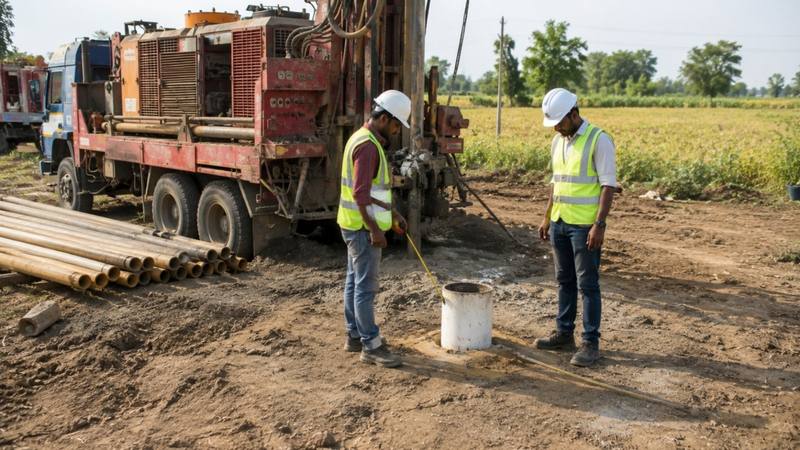
Strategic Water Infrastructure Partner

Engineered Boreholes. Reliable Water.

Professional drilling solutions backed by engineering expertise, quality workmanship, and a commitment to lasting results.

0Years in Service
0Guaranteed Workmanship
Who We Are

Water solutions built on trust, not shortcuts

Aqualine Drilling is a Polokwane-based borehole drilling company that has kept clients across Limpopo in reliable water for more than five years. Every borehole we sink is planned around the property's own geology and the needs of the people relying on it. Nothing about our process is one-size-fits-all.

On request, we supply a complete, guaranteed package, including submersible pumps, pressure pumps, storage tanks, and tank stands, so the system is ready to use the day we leave, not just drilled and handed over.

Read More About Us
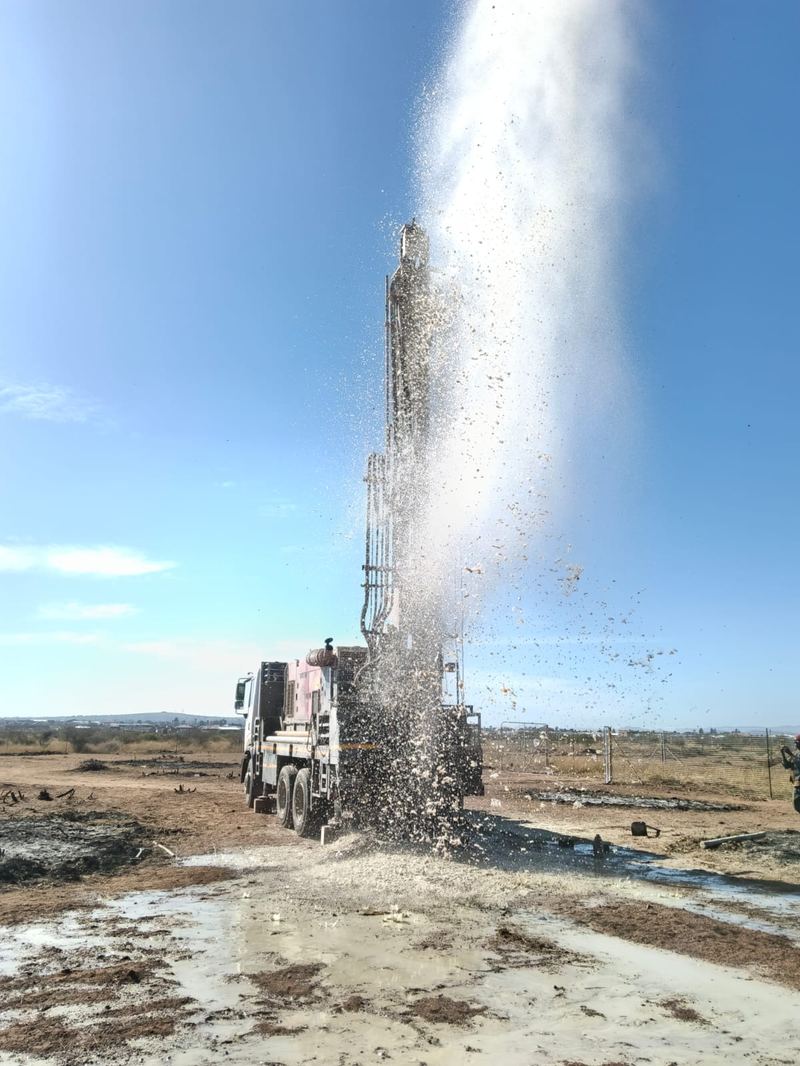
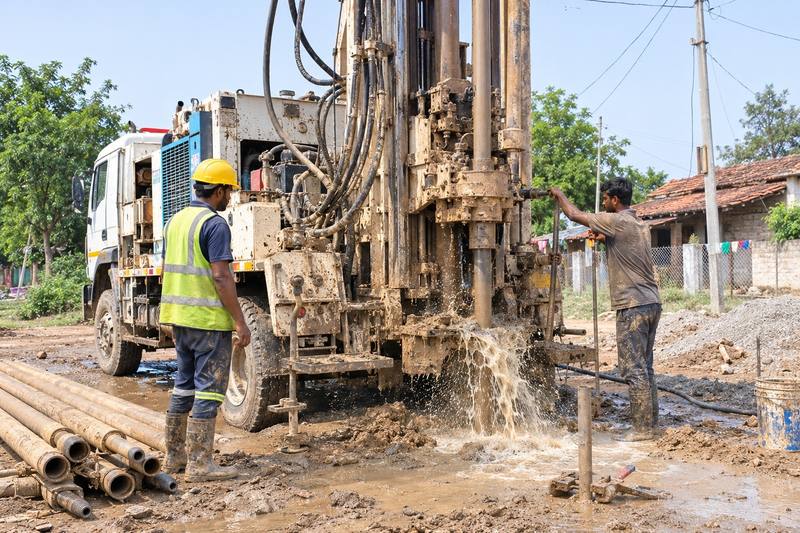
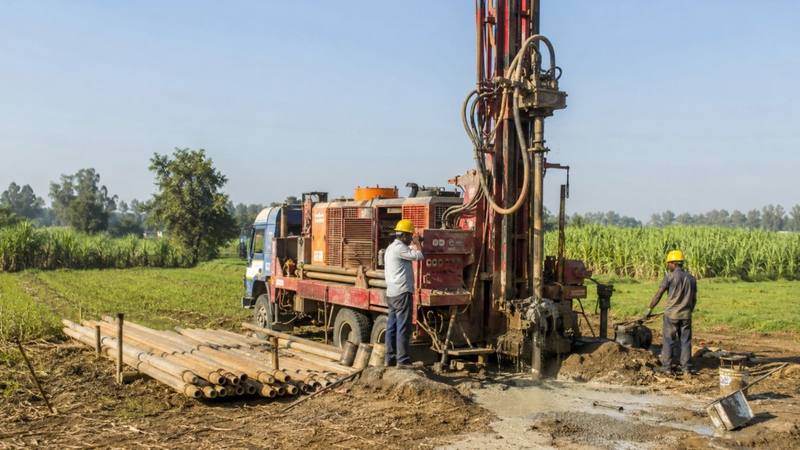
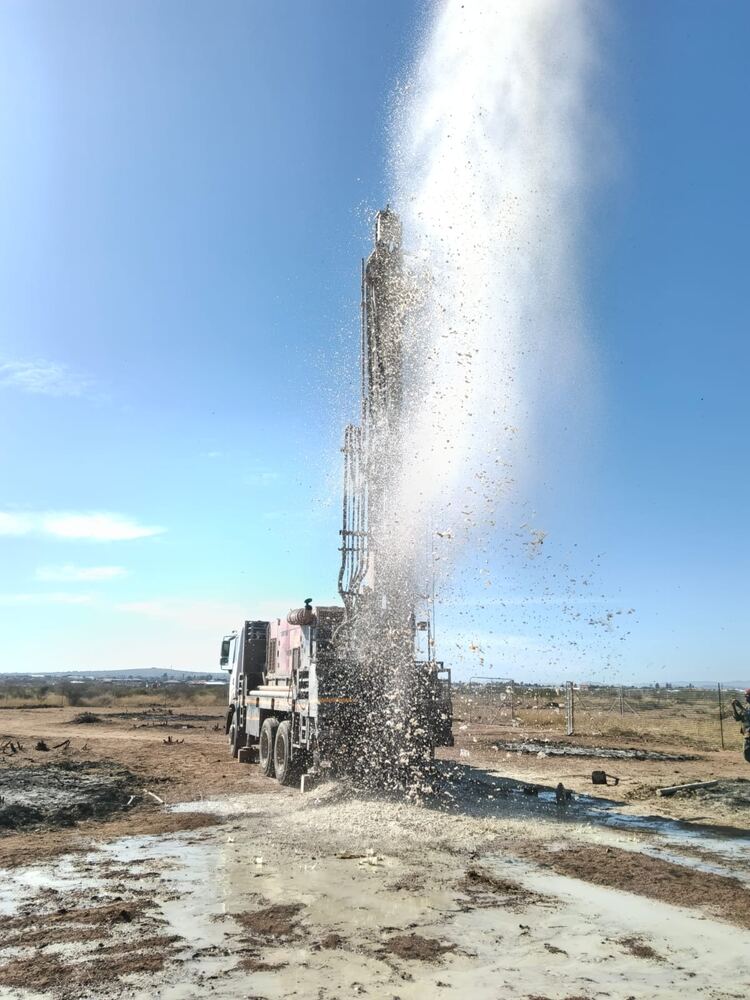
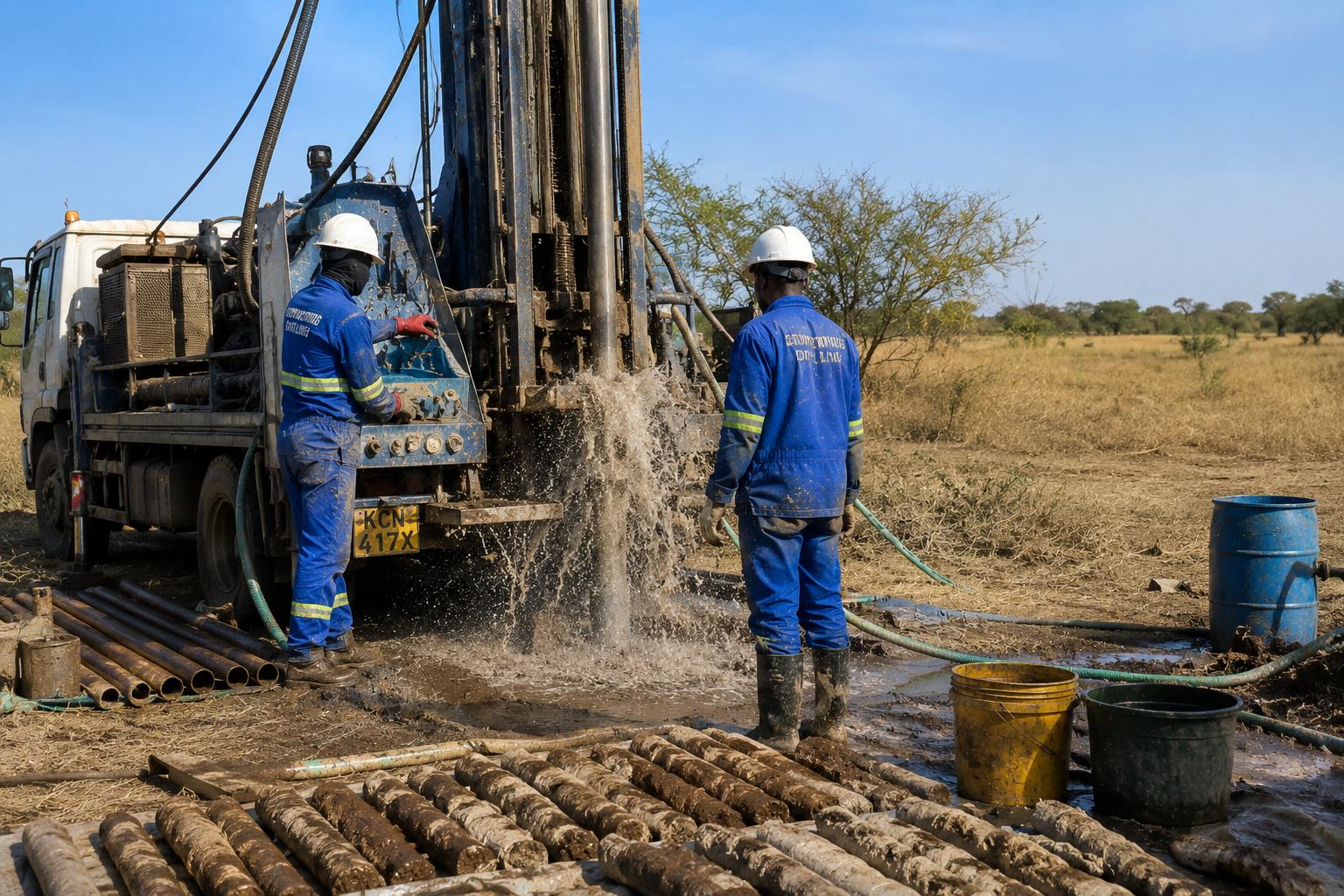
Aqualine Drilling rig striking water on site
Our Services

Everything a borehole needs, under one crew

We hold ourselves to the highest standard at every stage of the drilling industry. Here's where most projects start.

Borehole Drilling

Borehole Drilling

Site-matched drilling that accounts for your ground conditions and expected water demand from the outset.

PVC Casing Installation

PVC Casing Installation

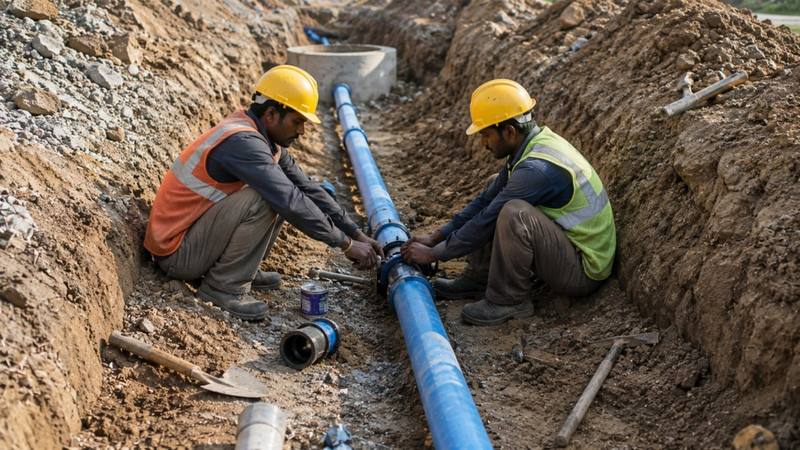
Durable PVC casing fitted to protect the borehole and keep the water column clean and stable.

Pump Installation

Pump Installation

Submersible and pressure pumps selected and fitted to suit your household or operational needs.

Pump Recovery Services

Pump Recovery Services

Fast, careful recovery of stuck or faulty pumps, with minimal disruption to your existing system.

Water Quality Testing

Water Quality Testing

Lab-backed testing so you know exactly what's coming out of your borehole before you rely on it.

Yield Testing

Yield Testing

Accurate yield assessments to confirm sustainable pumping rates for your property.

Tank & Stand Supply

Tank & Stand Supply

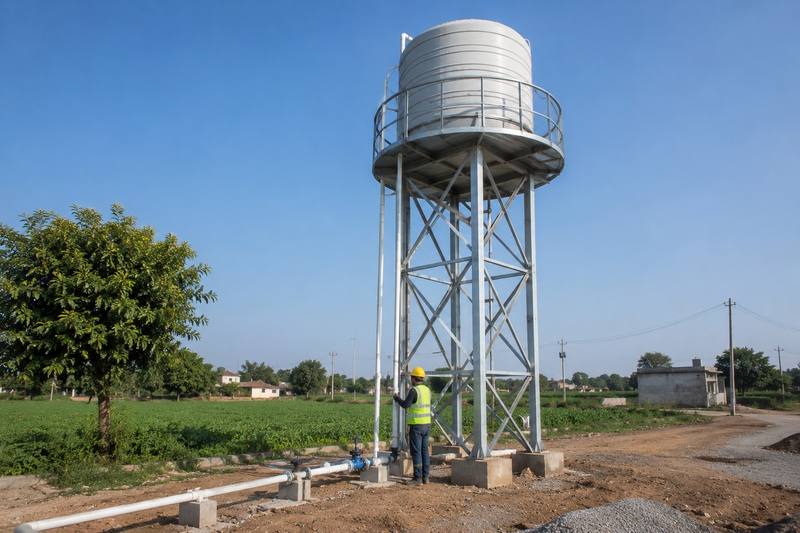
Storage tanks and stands sized and built to hold your supply securely, rain or dry season.

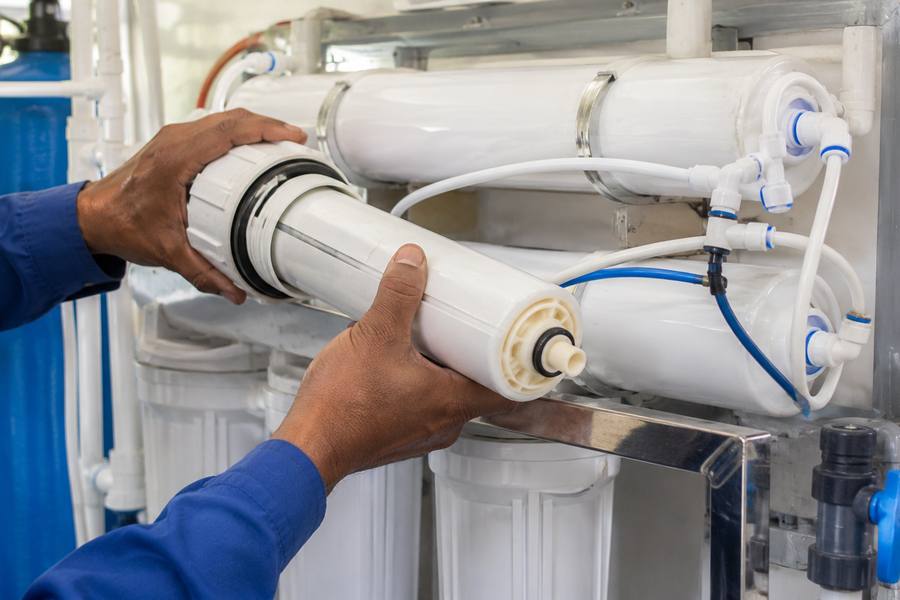
Water Purification

Water Purification

Purification solutions that make borehole water safe and pleasant for everyday household use.

View All Services
Client Feedback

What our clients say

Water solutions people across Limpopo continue to rely on.

Aqualine drilled our borehole exactly where they said the water would be. Five years on, the supply hasn't skipped a beat. Genuinely professional from the first site visit.
Thabo MokoenaHomeowner, Polokwane
We needed reliable water for the whole farm and they delivered a complete system — pump, tank and stand included. No shortcuts, no surprises on the invoice.
Annelize van der MerweFarm Owner, Limpopo
Their yield testing gave us the confidence to plan our expansion properly. The crew was punctual, tidy and clearly knew the ground they were working with.
Sipho NdlovuOperations Manager
When our old pump failed, Aqualine recovered it and had us back in water within a day. Fast, honest and fairly priced — I recommend them to everyone.
Rethabile MotaungGuesthouse Owner
From drilling to purification, everything was handled by one accountable team. The water quality report was thorough and easy to understand. Excellent service.
Johan PretoriusProperty Developer

Safety First, Always

Every crew member goes home safely, every day.

Guaranteed Workmanship

Full-service packages backed by our word.

Local, Hands-On Crew

Polokwane-based, employing local people first.

Interested in a partnership with Aqualine Drilling?

Whether you need a single borehole or an ongoing supply arrangement, we'd like to hear from you.

Connect With Us
About Aqualine Drilling

Five-plus years of dependable boreholes, built the honest way

A Polokwane-based drilling team that treats every property as its own project, not a repeat of the last one.

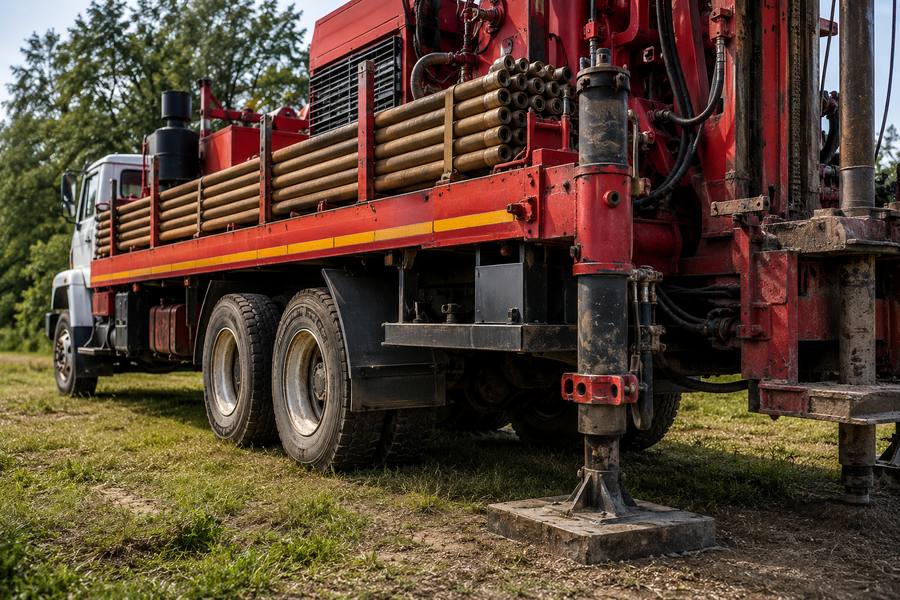
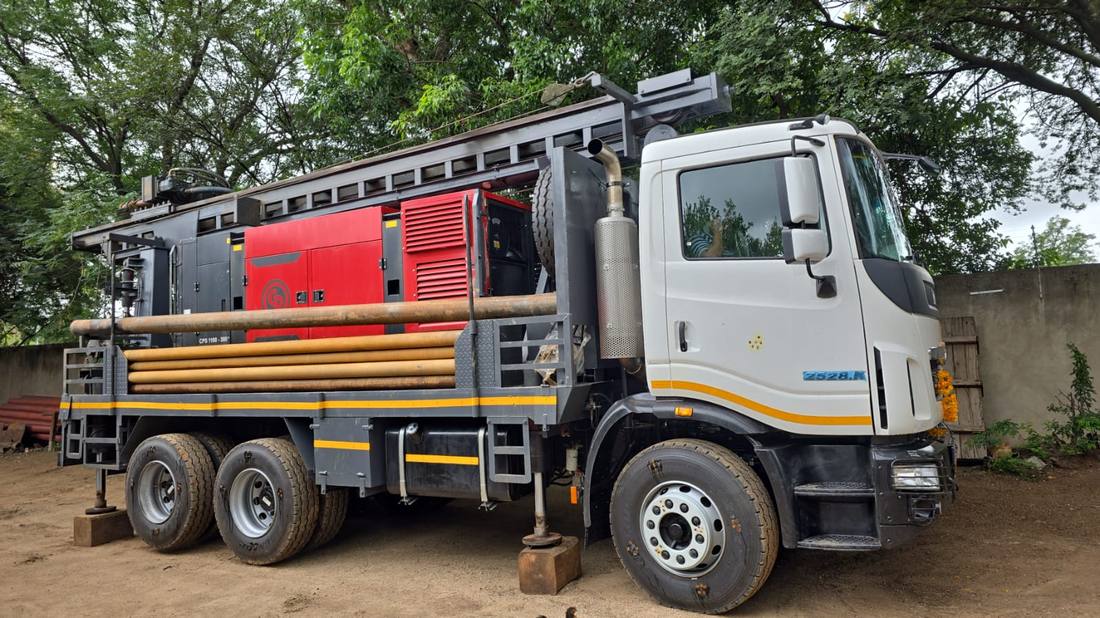
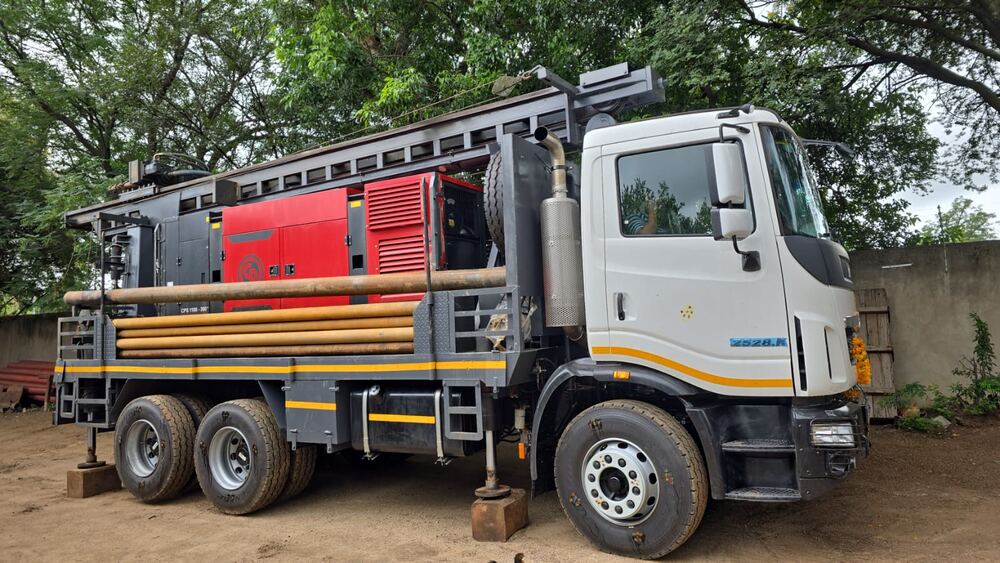
Aqualine Drilling rig truck on site
Our Equipment

Purpose-built rigs, ready for the job

Our drilling rig is fully equipped for reliable, efficient work on-site, from casing and pipe handling to power and compression. It's built to keep projects moving safely from the first metre down.

Every job starts with equipment that's properly maintained and ready, so there are no surprises once we're on your property.

Our Story

Tailor-made, from the first survey to the final tap

Aqualine Drilling has kept homes, farms, and businesses across Limpopo in reliable water for more than five years, and we're still growing. Every borehole we sink is planned around the property's own ground conditions and the household or operation that depends on it.

Where clients want it, we deliver a complete, guaranteed package, including submersible pumps, pressure pumps, storage tanks, and tank stands, so the finished system is ready to use, not just a hole in the ground.

Our Vision

To lead the region in water solutions

Our vision is to become the leading borehole drilling service provider in South Africa's Limpopo region.

Our Mission

Ethical partnership, every time

Our mission is to be the most honest, ethical partner of choice, dedicated to the highest level of professionalism in the borehole drilling industry.

What We Stand For

Our Business Values

Six commitments that guide every crew, on every site, from survey to sign-off.

01

Safety comes first

The safety of every team member on site is our number one priority. Everyone who works with us returns home safely to their families, every single day.

02

We're stronger as a team

We build lasting relationships with our clients through honesty, respect, and open communication. Working in partnership is how we get the best results.

03

There's always a way through

Whatever the ground or the site throws at us, our crew finds a safe, efficient way to get the job done properly.

04

Professionals, top to bottom

We hold ourselves to the highest drilling standards, continuously reviewing our own work in pursuit of flawless execution.

05

Always improving

Our team keeps developing better methods on site, and we welcome feedback from clients and colleagues to keep evolving with the industry.

06

Respect for the land

We take every practical step to reduce our impact on the environment, working closely with and employing local communities wherever we can.

Interested in a partnership with Aqualine Drilling?

Whether you need a single borehole or an ongoing supply arrangement, we'd like to hear from you.

Connect With Us
What We Offer

Our Services

Eight specialist services, one accountable crew, from the first drill to the final tap.

Borehole Drilling

Borehole Drilling

Site-matched drilling that accounts for your ground conditions and expected water demand from the outset.

PVC Casing Installation

PVC Casing Installation

Durable PVC casing fitted to protect the borehole and keep the water column clean and stable.

Pump Installation

Pump Installation

Submersible and pressure pumps selected and fitted to suit your household or operational needs.

Pump Recovery Services

Pump Recovery Services

Fast, careful recovery of stuck or faulty pumps, with minimal disruption to your existing system.

Water Quality Testing

Water Quality Testing

Lab-backed testing so you know exactly what's coming out of your borehole before you rely on it.

Yield Testing

Yield Testing

Accurate yield assessments to confirm sustainable pumping rates for your property.

Tank & Stand Supply

Tank & Stand Supply

Storage tanks and stands sized and built to hold your supply securely, rain or dry season.

Water Purification

Water Purification

Purification solutions that make borehole water safe and pleasant for everyday household use.

Interested in a partnership with Aqualine Drilling?

Whether you need a single borehole or an ongoing supply arrangement, we'd like to hear from you.

Connect With Us
Insights & Guides

Blog

Practical guides on borehole drilling, water solutions, and choosing the right partner for your property.

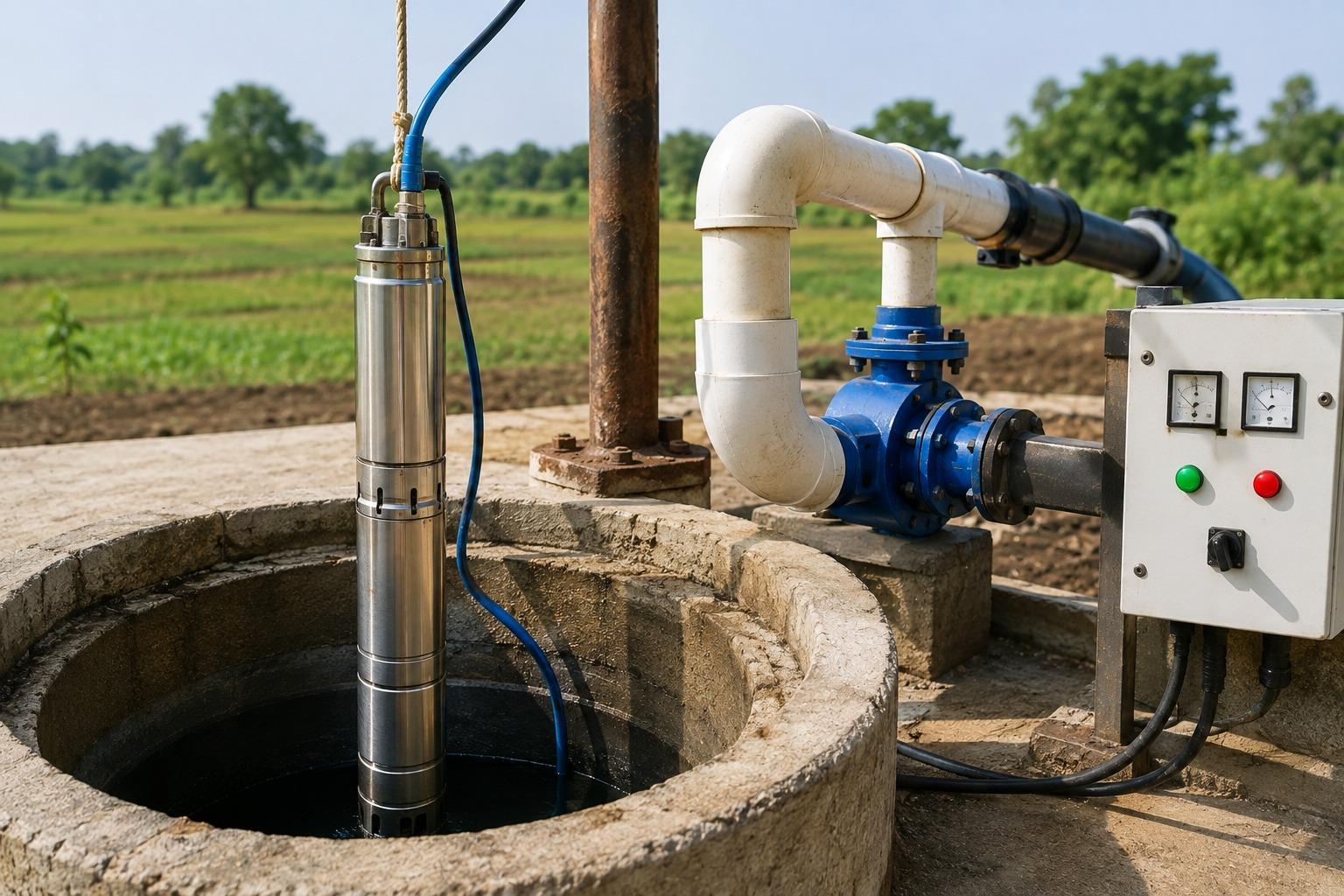
Submersible pump and control panel installed at a borehole
Pump Selection · Guide

How to Choose the Right Submersible Pump for Your Borewell: A Complete Selection Guide

Learn how to choose a submersible pump for a borehole with our step-by-step guide covering flow rate, head, yield, and the best submersible pump for borewell use.

Read More
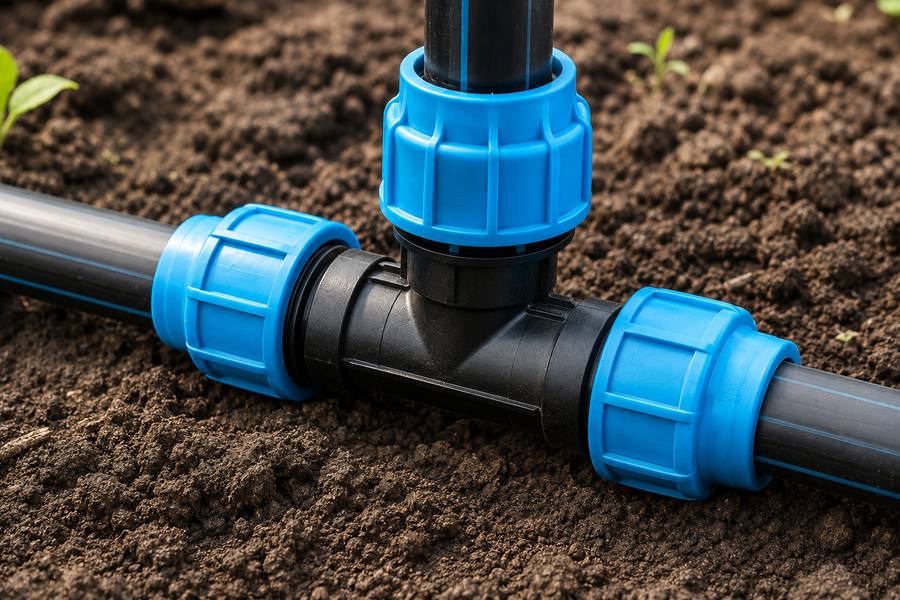
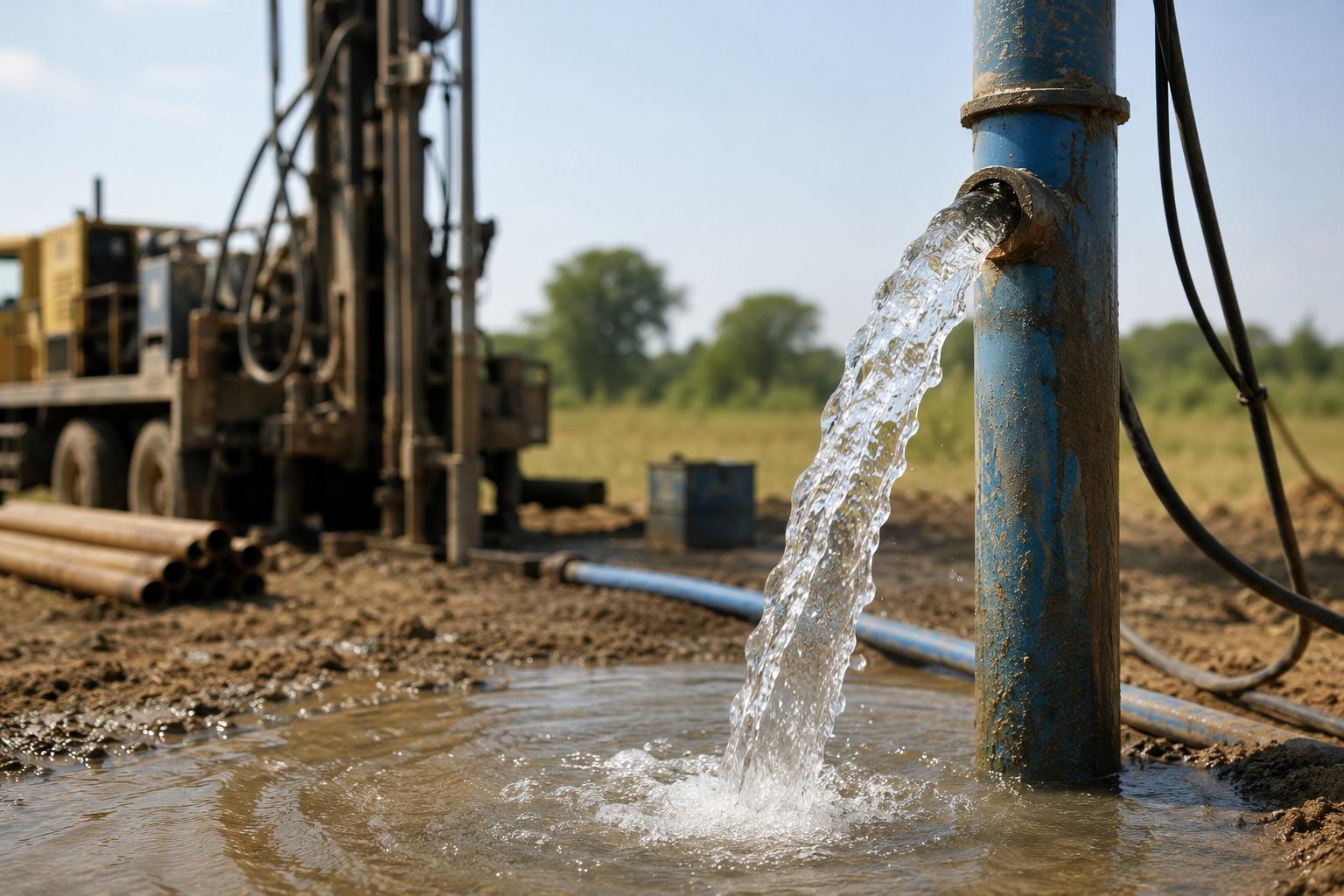
Water flowing from a blue borehole pipe at a drilling site
Yield Testing · Guide

What Is Borehole Yield Testing and Why Is It Important?

Learn what borehole yield testing is, how a borehole pumping test works, and why yield testing is essential for a reliable, safe water supply.

Read More
Drilling rig striking water on site
Borehole Drilling · Guide

How Does the Borehole Drilling Process Work? A Step-by-Step Guide

From the initial hydrogeological survey to pump installation and water quality testing, here's what to expect at every stage of a professional borehole project.

Read More
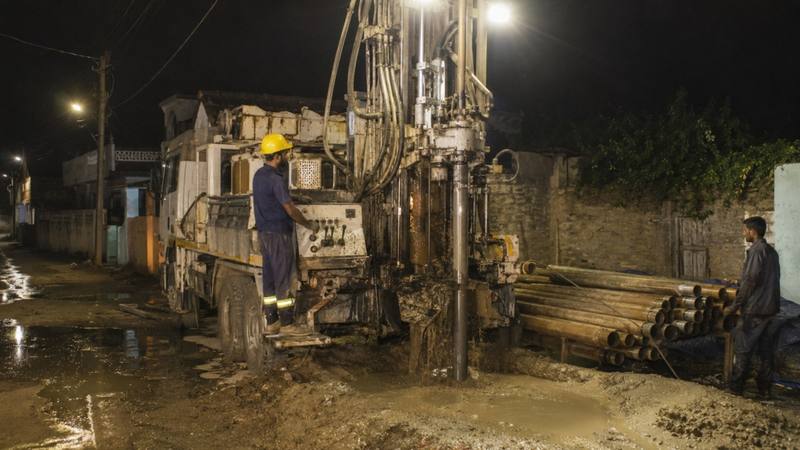
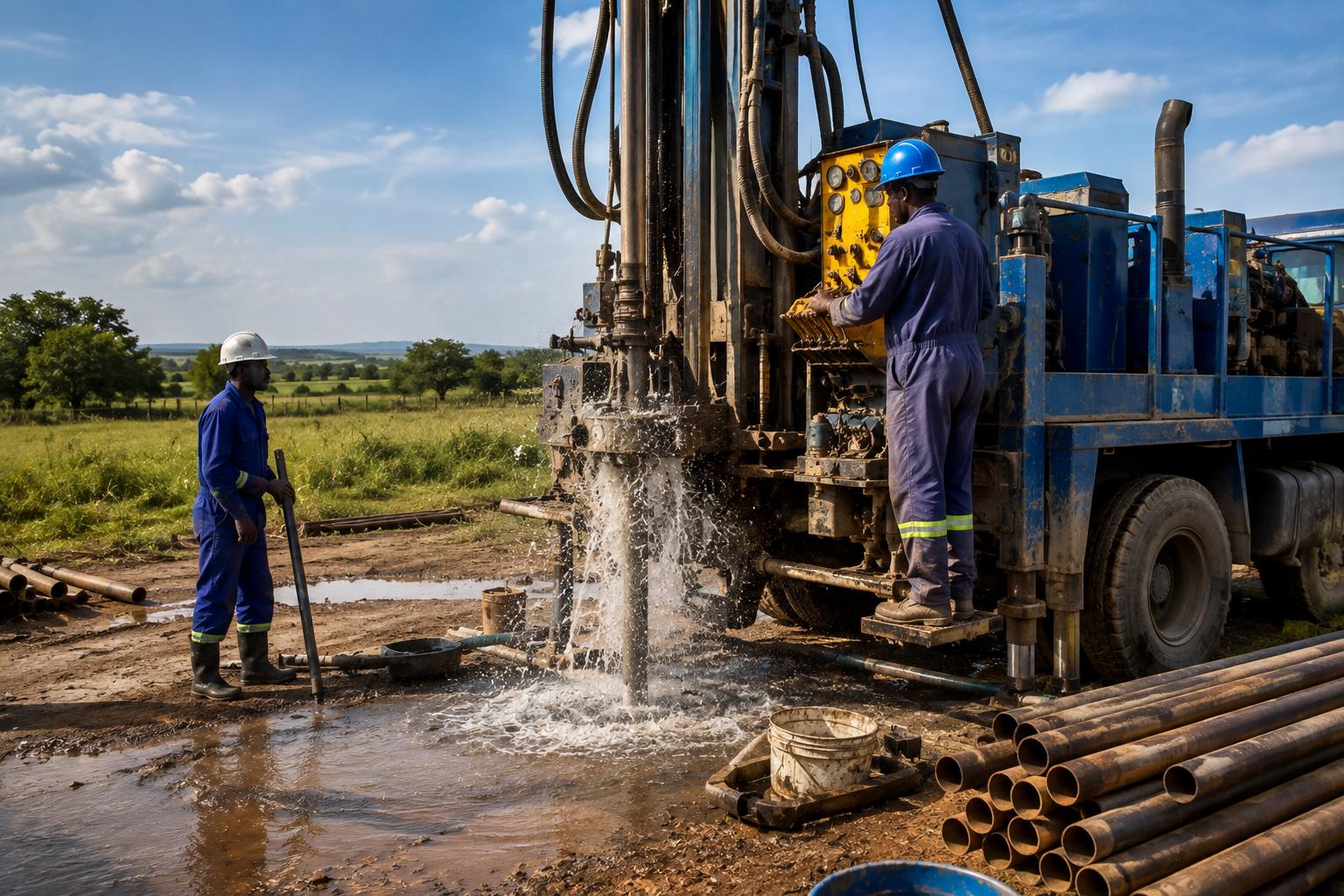
Drilling crew operating a rig in an open field
Contractor Guide · Gauteng

How to Choose the Right Borehole Drilling Contractor in Gauteng

Not all contractors offer the same expertise, equipment, or support. Here are the key factors, questions, and red flags to weigh before you commit.

Read More
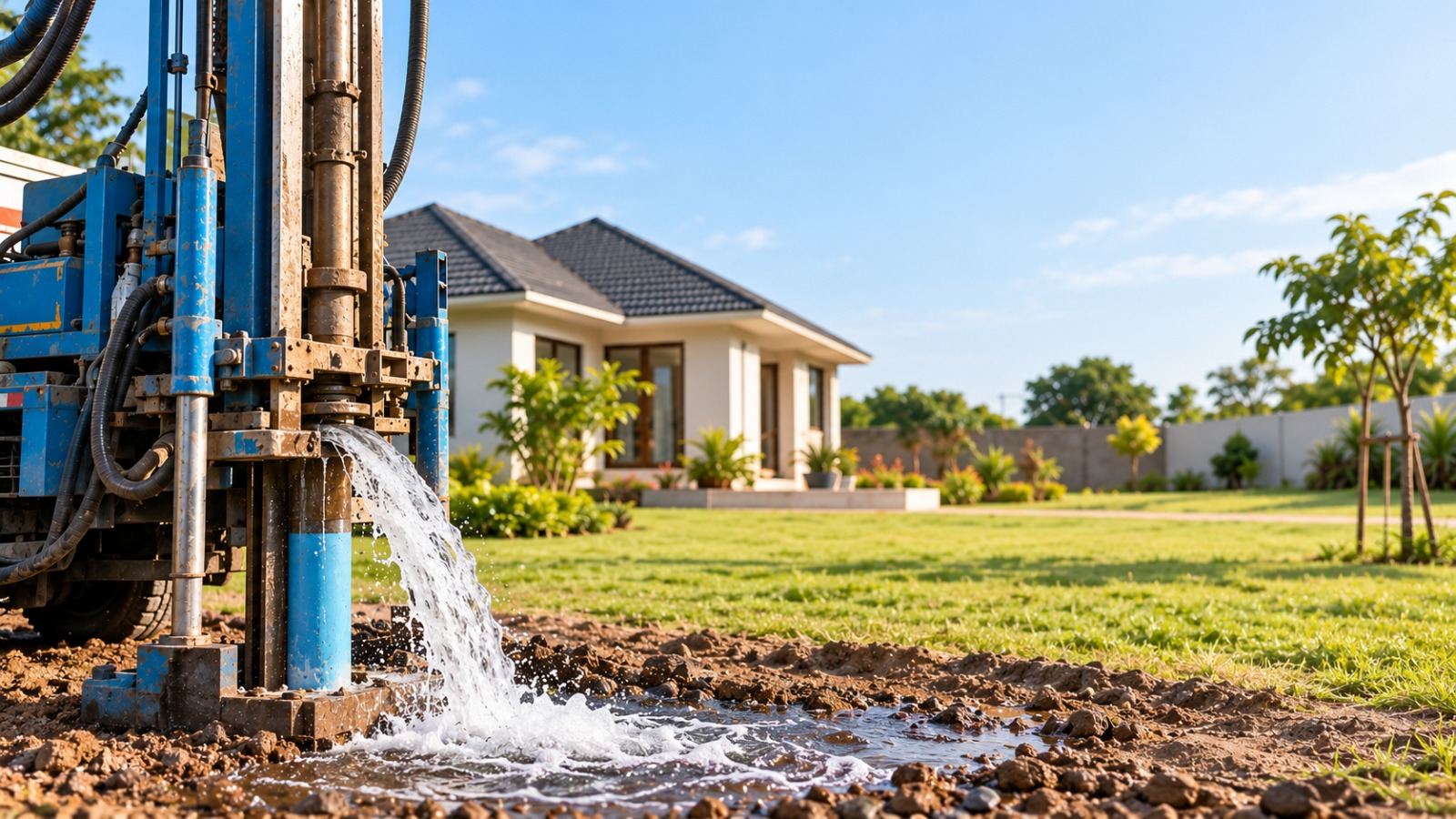
Drilling rig extracting water at a residential property borehole site
Residential Drilling · Guide

How to Plan Affordable Borehole Drilling for Your Residential Property

Understand the key planning considerations, from assessing your water needs to budgeting for permits, contractors, and long-term maintenance costs.

Read More
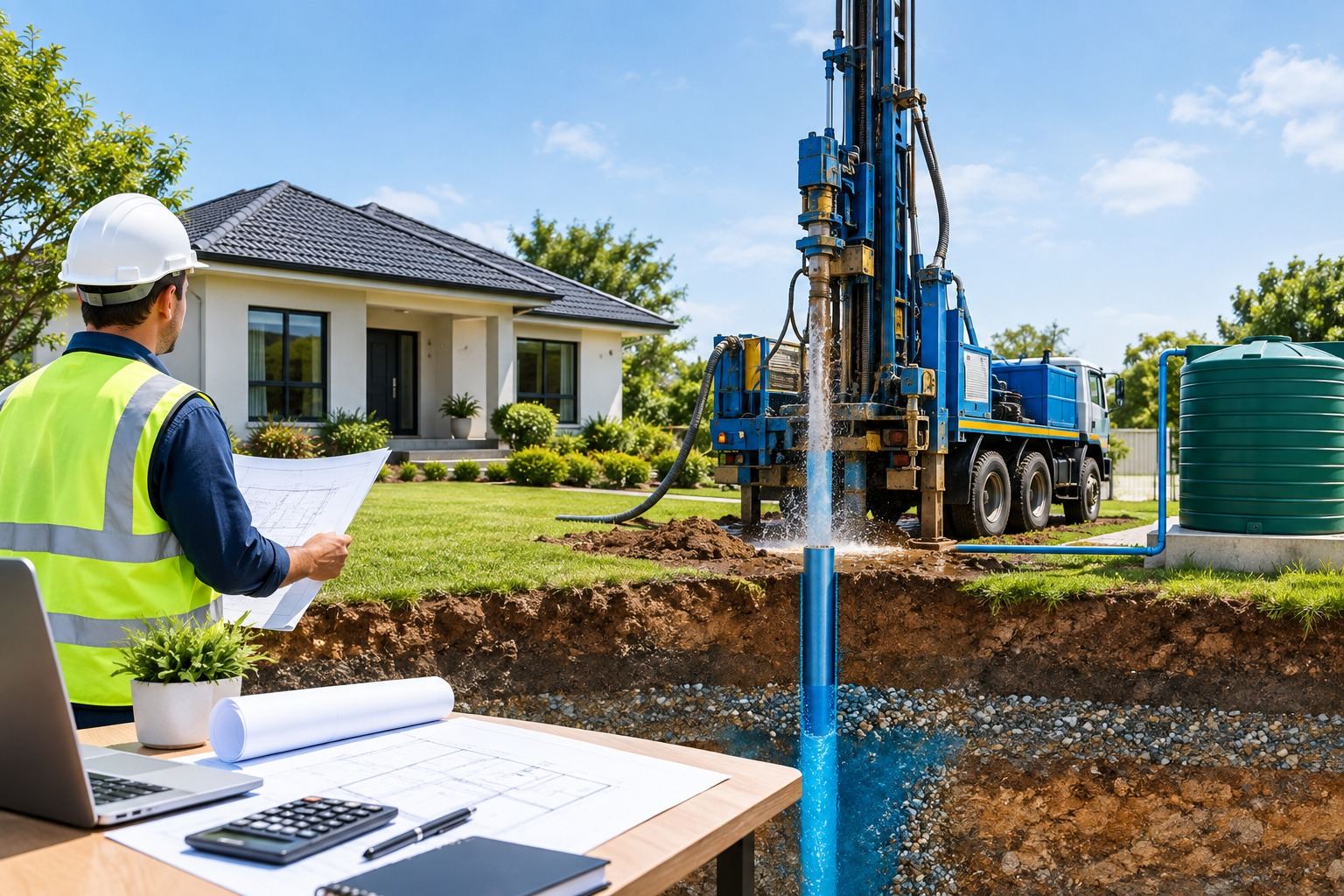
Engineer reviewing plans beside a borehole pump installation with tank and drilling rig
Pump Installation · Case Study

Deep Well Pump Installation: A Technical Case Study from a Gauteng Residential Property

A technical walkthrough of a real Gauteng deep well pump installation, covering pump sizing, HDPE pipe and check valves, wellhead sealing, and commissioning.

Read More
Borehole Drilling · Guide

How Does the Borehole Drilling Process Work? A Step-by-Step Guide

← Back to Blog
Drilling rig striking water on site

Whether you are planning to secure a reliable private water supply for your home, farm, or commercial property, understanding the borehole drilling process is an essential first step.

At Aqualine Drilling, we help property owners make informed decisions by providing professional guidance throughout every stage of the drilling process. From the initial site assessment and water exploration to drilling, installation, and testing, knowing what to expect can help you plan effectively and choose the right solutions for your needs.

What Is Borehole Drilling?

Borehole drilling is the process of creating a narrow, deep shaft in the ground to access groundwater held in underground rock formations called aquifers. Once the borehole is drilled, a pump system is installed to draw water to the surface. The result is a private, long-term water source that operates independently of the mains supply.

Understanding the borehole drilling process for groundwater access starts with recognising that every site is different. The depth, geology, and yield of a borehole all vary depending on your location, which is why each project begins with a thorough assessment rather than a one-size-fits-all approach.

Step 1: Site Assessment and Hydrogeological Survey

The first stage of the borehole drilling process is a professional site assessment. A qualified hydrogeologist or borehole specialist will evaluate your land to determine the most suitable location for drilling. This typically involves:

  • Reviewing geological and hydrogeological maps of the area
  • Assessing ground conditions and any surface features that indicate groundwater presence
  • Identifying the likely depth and yield of the target aquifer
  • Checking for any environmental or planning considerations that may affect the project

At Aqualine Drilling, we understand that choosing the right drilling location is critical to the success of your borehole. Drilling in an unsuitable location can result in a low-yield or dry borehole, leading to unnecessary costs and delays. A professional hydrogeological assessment helps minimise these risks and provides a reliable foundation for the next stages of your borehole project.

Step 2: Obtaining the Necessary Permissions

Before any drilling begins, certain permissions and registrations may be required depending on your location and the intended use of the water. In many regions, abstracting groundwater above a certain threshold requires a licence from the relevant environmental authority. Your borehole specialist should guide you through this process and ensure all necessary documentation is in place before work starts.

Step 3: Mobilising the Drilling Rig

Once permissions are secured and a suitable location has been identified, the drilling rig and supporting equipment are mobilised to site. Adequate access is required for the machinery, so the site is assessed to ensure equipment can reach the agreed drilling position safely and without causing unnecessary disruption.

Step 4: The Drilling Operation

This is the core stage of the borehole drilling process. The method used will depend on the local geology, but the most common approaches include rotary drilling and cable percussion drilling.

Rotary Drilling: Rotary drilling uses a rotating drill bit to cut through rock and soil. Drilling fluid or air is circulated down the drill string to cool the bit and bring cuttings to the surface. This method is particularly effective in harder rock formations and allows for efficient drilling to significant depths.

Cable Percussion Drilling: Cable percussion drilling, sometimes called shell and auger drilling, uses a heavy cutting tool that is repeatedly raised and dropped to break up softer ground materials. It is commonly used in softer formations such as clay and sand.

Throughout the drilling operation, geological samples known as drill cuttings are collected and logged. This allows the drillers to monitor ground conditions in real time and identify when the target aquifer has been reached.

Step 5: Installing the Borehole Casing and Lining

As the borehole is drilled, steel or PVC casing is installed to support the borehole walls and prevent collapse. In the upper section of the borehole, a solid casing is fitted and grouted into place to prevent surface water or contaminated water from entering the borehole. In the water-bearing zone, a slotted or screened casing is used to allow groundwater to flow into the borehole while keeping sediment out.

Step 6: Development and Testing

Once drilling and casing are complete, the borehole undergoes a development process. This involves pumping or surging the borehole to remove fine particles and stabilise the surrounding formation. A pump test is then carried out to measure the borehole's yield and sustainable abstraction rate. This data is essential for selecting the right pump and designing an efficient water system.

Step 7: Water Quality Analysis

Understanding how borehole drilling works is not complete without addressing water quality. Before the water is used, samples are taken and sent to an accredited laboratory for analysis. The results determine whether any treatment is required before the water is suitable for its intended use, whether that is drinking water, agricultural irrigation, or industrial processes.

Step 8: Pump and Headworks Installation

With the borehole tested and water quality confirmed, a submersible pump is selected and installed at the appropriate depth within the borehole. Headworks, which include the above-ground pipework, controls, and protective cover, are then fitted. This completes the infrastructure and connects the borehole to your property's water system.

Aqualine Drilling provides professional pump installation and headworks solutions to ensure your borehole is properly equipped for long-term, dependable water supply.

Summary: The Borehole Drilling Process at a Glance

StageKey Activity
1. Site AssessmentHydrogeological survey and location selection
2. PermissionsLicence and regulatory approvals secured
3. MobilisationDrilling rig and equipment brought to site
4. DrillingBorehole drilled to target aquifer depth
5. CasingBorehole lined and sealed
6. Development and TestingYield and flow rate measured
7. Water Quality AnalysisLaboratory testing and treatment assessment
8. Pump InstallationPump and headworks fitted, system commissioned

Ready to Start Your Borehole Project?

Now that you have a clear understanding of the borehole drilling process for groundwater access, you are in a stronger position to move forward with confidence. Every successful borehole starts with the right expertise and a structured approach, which is exactly what Aqualine Drilling delivers on every project.

Contact us today to arrange a site assessment and take the first step towards a reliable, independent water supply.

Request a Quote
Contractor Guide · Gauteng

How to Choose the Right Borehole Drilling Contractor in Gauteng

← Back to Blog
Drilling crew operating a rig in an open field

At Aqualine Drilling, we understand that a dependable water supply is essential for homes, farms, commercial properties, and industrial facilities across Gauteng. As increasing demand places greater pressure on municipal water systems, more property owners are investing in boreholes as a reliable, long-term water solution.

However, the success of any borehole project depends largely on selecting the right borehole drilling contractor in Gauteng. An inexperienced contractor can lead to poor drilling outcomes, costly repairs, or a borehole that fails to meet your water requirements. This guide outlines the key factors to consider when choosing a trusted borehole drilling contractor, helping you make an informed decision and maximize the value of your investment.

Why Choosing the Right Contractor Matters

Not all borehole drilling contractors operate to the same standard. The process involves specialised equipment, technical knowledge of local geology, and compliance with water-use regulations. A qualified contractor brings all of these together to deliver a borehole that is safe, productive and legally compliant.

Choosing the wrong contractor, on the other hand, can lead to poorly cased boreholes, contaminated water, or a system drilled in the wrong location. These problems are expensive to fix and sometimes impossible to reverse. Taking time to evaluate your options upfront saves significant cost and frustration down the line.

Key Factors to Consider When Evaluating Borehole Drilling Contractors

1. Registration and Certification
Any legitimate borehole drilling contractor in Gauteng should be registered with the relevant regulatory bodies. In South Africa, the Department of Water and Sanitation oversees water use licensing, and contractors are expected to comply with the National Water Act. Before signing any agreement, ask your contractor to provide proof of registration and any applicable certifications. This is a non-negotiable starting point.

2. Local Experience and Knowledge of Gauteng Geology
Geology varies significantly across Gauteng. What works in one area may not apply to another. Borehole drilling contractors with extensive experience in Gauteng will have a practical understanding of local aquifer depths, rock types and groundwater conditions. Always ask how long the contractor has been operating in the region and whether they have completed projects in your specific area.

3. Equipment and Technology
Modern borehole drilling requires up-to-date equipment capable of handling varying geological conditions. Ask contractors about the type of rigs they use and whether they carry out site assessments before drilling commences. Contractors who invest in proper equipment and use methods such as geophysical surveys to identify the best drilling location are more likely to deliver consistent results.

4. Transparent Pricing and Written Quotations
A reputable borehole drilling contractor in Gauteng will provide a clear, written quotation that outlines all costs involved. Be cautious of contractors who offer vague verbal estimates or who are unable to explain what is included in their pricing. A professional quote should cover site assessment, drilling costs, casing, pump installation and any applicable water use licence applications.

5. References and Completed Work
Ask potential contractors for references from previous clients. A contractor who is confident in their work will have no hesitation providing this. If possible, speak directly to past clients about their experience, the quality of work delivered and whether the contractor met agreed timelines.

6. After-Sales Support and Maintenance Services
Your relationship with a borehole drilling contractor does not end when the drill is removed from the ground. Pumps require servicing, water quality should be tested periodically and mechanical components may need attention over time. Choose a contractor who offers ongoing support and maintenance services.

Questions to Ask Before You Commit

  • Are you registered and compliant with the National Water Act?
  • Do you carry out a site assessment or geophysical survey before drilling?
  • What type of equipment do you use, and is it maintained regularly?
  • Do you provide a written contract and itemised quotation?
  • Can you assist with the water use licence application process?
  • What happens if the borehole does not yield sufficient water?
  • Do you offer pump installation and ongoing maintenance?

Red Flags to Watch Out For

  • No proof of registration or certification
  • Unwillingness to provide a written quotation
  • Pressure to make a quick decision or pay a large deposit upfront
  • No references or reluctance to share past work
  • Lack of a physical business address or contact details
  • Unusually low pricing with no clear explanation

A Simple Comparison Checklist

CriteriaWhat to Look ForRed Flag
RegistrationProof of compliance with relevant regulationsNo documentation available
Local ExperienceTrack record of work in GautengNo local project history
EquipmentModern rigs and site assessment toolsOutdated or poorly maintained equipment
PricingWritten, itemised quotationVague verbal estimates only
ReferencesVerifiable client testimonialsReluctance to share references
After-Sales SupportMaintenance and pump servicing offeredNo support once project is complete

Making the Final Decision

Once you have gathered information from multiple borehole drilling contractors, compare them against the criteria above. Do not base your decision on price alone. The cheapest option is rarely the best when it comes to borehole drilling. Focus on value, professionalism and demonstrated competence.

Choosing the right borehole drilling contractor in Gauteng is an investment in a long-term water solution for your property. Take your time, ask the right questions, and prioritise contractors who are transparent, experienced, and properly accredited.

Ready to Take the Next Step?

If you are ready to invest in a professionally drilled borehole, Aqualine Drilling is here to help. Our team of experienced borehole drilling contractors serves property owners across Gauteng with a commitment to quality workmanship, regulatory compliance, and lasting results. Contact us today to request a site assessment and written quotation tailored to your property.

Request a Quote
Pump Selection · Guide

How to Choose the Right Submersible Pump for Your Borewell: A Complete Selection Guide

← Back to Blog
Submersible pump and control panel installed at a borehole

Selecting the right submersible water pump is one of the most important decisions for your borewell installation. With Aqualine Drilling, you can make an informed choice to ensure reliable, efficient water supply for years to come. Choosing the wrong pump can lead to premature failure, poor water pressure, and costly replacements.

This guide covers every key factor to help you choose with confidence.

Why the Right Selection Matters

A submersible water pump operates fully submerged beneath the water table inside your borewell. Because accessing it for repairs or replacement requires pulling the entire pump assembly to the surface, getting the selection right from the start saves significant time, money, and frustration. Understanding how to choose a submersible pump for a borehole begins with gathering accurate data about your specific borewell conditions.

Step 1: Know Your Borewell Dimensions

Before you look at any pump specification, you need two critical measurements from your borewell:

  • Borewell diameter: The internal casing diameter determines the maximum pump diameter you can install. The pump body must fit comfortably inside the casing with clearance to spare.
  • Total borewell depth: This tells you how far down the pump will sit and informs your decisions about motor power and cable length.

Always work from your borewell driller's completion report for accurate figures rather than estimating.

Step 2: Determine Your Water Yield

Your borewell has a maximum sustainable yield, the volume of water it can reliably produce per hour without the water level dropping below the pump intake. Installing a submersible water pump that demands more water than the borewell can supply leads to dry running, which rapidly destroys the pump motor.

Match your pump's flow rate to a level comfortably within your borewell's tested yield. If you do not have a yield test result, arrange one before purchasing any pump.

Step 3: Calculate Your Required Flow Rate

Flow rate, measured in litres per hour or cubic metres per hour, should match your actual water demand. Aqualine Drilling recommends considering every use your water supply needs to serve:

  • Household consumption and daily domestic use
  • Irrigation requirements, where applicable
  • Livestock watering, if relevant
  • Commercial or industrial processes, where required

Add these demands together and apply a reasonable buffer to determine your minimum required flow rate. This figure is essential when choosing the right submersible pump for your borehole.

Step 4: Calculate Total Dynamic Head

Total Dynamic Head, commonly abbreviated as TDH, is the total pressure a pump must overcome to deliver water to your point of use. It is calculated by adding together:

ComponentDescription
Static water level depthDistance from surface to the resting water level in the borewell
Drawdown allowanceThe additional drop in water level during active pumping
Vertical delivery heightHeight from surface to the highest delivery point or storage tank
Pipe friction lossesPressure lost to friction along the length of the delivery pipe

Your chosen submersible water pump must be rated to deliver your required flow rate at or above the calculated TDH. Always select a pump whose performance curve shows it operating efficiently at your TDH rather than at the extreme limits of its range.

Step 5: Select the Correct Motor Power and Voltage

Motor power should be sized to the hydraulic demand calculated above — neither heavily oversized nor undersized. Confirm the available electrical supply voltage at your site, whether single phase or three phase, and ensure the pump motor matches it. Running a pump on an incorrect voltage supply damages the motor and voids warranties.

Step 6: Consider Water Quality

Not all borewell water is the same. High sand or sediment content, corrosive mineral concentrations, or elevated temperatures all affect which materials are appropriate for your pump body and impellers. Discuss your water quality analysis results with your pump supplier so that materials are specified correctly for your conditions.

Step 7: Evaluate Build Quality and Protection Features

When considering the best submersible pump for borewell applications, look beyond the purchase price. Evaluate:

  • Motor protection class: Adequate ingress protection ratings for full submersion
  • Thermal overload protection: Shuts the motor down before heat damage occurs
  • Dry-run protection: Prevents the pump from operating without water, which causes rapid damage
  • Stainless steel or corrosion-resistant construction: Particularly important in aggressive water conditions
  • Warranty and after-sales support: A pump is only as reliable as the service network behind it

Step 8: Size Your Accessories Correctly

The pump itself is only part of the installation. Ensure your rising main pipe diameter, check valve sizing, submersible cable rating, and control panel are all matched to the pump's specifications. Mismatched accessories reduce performance and can cause premature failure even when the pump itself is correctly selected.

A Practical Summary Checklist

  • 1. Confirm borewell internal diameter and total depth
  • 2. Obtain or commission a borewell yield test
  • 3. Calculate your total daily and peak water demand
  • 4. Calculate Total Dynamic Head for your installation
  • 5. Confirm site electrical supply voltage and phase
  • 6. Review your water quality analysis
  • 7. Compare pump performance curves against your TDH and flow requirements
  • 8. Verify protection features and warranty terms
  • 9. Size all accessories to match the selected pump

Get Expert Guidance Before You Buy

Choosing the best submersible pump for borewell use is a technical process that rewards careful preparation. When you have your borewell data, yield test results, and demand calculations ready, the right pump selection becomes straightforward. If any of these inputs are uncertain, seek professional advice before committing to a purchase.

At Aqualine Drilling, our team is experienced in matching the right submersible water pump to the specific conditions of your borewell. Contact us today to discuss your project and get a recommendation tailored to your needs.

We are here to help you get it right the first time.

Request a Quote
Yield Testing · Guide

What Is Borehole Yield Testing and Why Is It Important?

← Back to Blog
Water flowing from a blue borehole pipe at a drilling site

If you are considering installing a borehole or have recently had one drilled, you may have come across the term borehole yield testing. Understanding what this process involves and why it matters can help you make informed decisions about your water supply. Aqualine Drilling helps clients understand the importance of assessing borehole performance before making critical decisions about water supply systems.

This guide walks you through the essentials of borehole yield testing, how it works, and why skipping it could be a costly mistake.

What Is Borehole Yield Testing?

Borehole yield testing is the process of assessing how much water a borehole can reliably supply over a given period. In simple terms, it measures the rate at which groundwater flows into the borehole and how sustainably that water can be extracted without depleting the source.

When a borehole is drilled, there is no guarantee of how productive it will be. The surrounding geology, aquifer depth, and local groundwater levels all influence how much water is available. A borehole yield test provides the factual data needed to understand these variables before committing to a pumping system or relying on the borehole as a primary water source.

How Does a Borehole Pumping Test Work?

A borehole pumping test is the standard method used to carry out yield testing. The process is structured and methodical, with Aqualine Drilling following key stages to assess borehole performance:

  • Step 1: Rest Water Level Measurement: Before pumping begins, the static water level inside the borehole is measured, establishing a baseline for tracking changes.
  • Step 2: Controlled Pumping: A pump is introduced into the borehole, and water is extracted at a controlled, consistent rate that is carefully monitored throughout the test.
  • Step 3: Water Level Monitoring: As pumping continues, the water level drops—a phenomenon known as drawdown. This is recorded at regular intervals.
  • Step 4: Recovery Monitoring: Once pumping stops, the rate at which the water level returns to its original position is measured. This recovery data is just as important as the drawdown data.
  • Step 5: Data Analysis: All collected data is analysed to determine the sustainable yield of the borehole and the maximum rate at which water can be pumped without causing long-term depletion.

The duration of a borehole pumping test can range from a few hours to several days, depending on the borehole's purpose and the volume of water required.

Types of Borehole Yield Tests

There are several types of tests that may be carried out depending on the information required:

Test TypePurposeTypical Duration
Step TestDetermines how the borehole performs at different pumping rates3–6 hours
Constant Rate TestAssesses long-term sustainable yield at a fixed rate24–72 hours
Recovery TestMeasures how quickly the aquifer recharges after pumping stopsFollowing constant rate test

Why Is Borehole Yield Testing Important?

Understanding why borehole yield testing is important comes down to practicality, safety, and cost. Here are the primary reasons this step should never be overlooked:

1. Ensures a Reliable Water Supply
Without a yield test, there is no way to confirm that a borehole can meet your daily water demands. Whether the borehole is intended for domestic, agricultural, or commercial use, knowing the sustainable output protects you from unexpected shortages.

2. Guides Pump Selection
Fitting the wrong pump to a borehole can cause serious problems. If a pump draws water faster than the aquifer can recharge, it will run dry damaging the pump and potentially reducing the long-term productivity of the borehole. Borehole yield testing provides the data needed to select a pump that operates within safe limits.

3. Supports Planning and Regulatory Approvals
In many regions, abstracting groundwater above a certain volume requires a licence or permit from the relevant authority. A formal borehole pumping test provides the documented evidence required to support these applications and demonstrates responsible water management.

4. Protects Your Investment
Drilling a borehole is a significant financial investment. Conducting proper yield testing ensures that the infrastructure built around that borehole — pipework, storage tanks, pumping systems — is appropriately sized and suited to the available water supply. This avoids costly redesigns or equipment replacements down the line.

5. Identifies Potential Issues Early
A thorough test can reveal problems such as poor aquifer connectivity, high levels of natural turbidity, or unexpectedly low recharge rates. Identifying these issues early allows them to be addressed before they become expensive operational problems.

When Should Borehole Yield Testing Be Carried Out?

Borehole yield testing should ideally be carried out immediately after drilling is complete, before any permanent pumping equipment is installed. This is the most practical and cost-effective time to gather accurate data. Testing may also be recommended when:

  • An existing borehole is being recommissioned after a period of inactivity
  • There has been a noticeable decline in water output
  • You are applying for or renewing a water abstraction licence
  • Changes in local land use or nearby drilling may have affected the aquifer

Take the Next Step With Aqualine Borehole

A properly conducted borehole yield test is one of the most valuable steps you can take to protect your water supply and your investment. Whether you are in the early stages of borehole planning or need to assess an existing installation, professional testing ensures you have the accurate, reliable data you need to move forward with confidence.

Contact Aqualine Drilling today to find out how our experienced team can carry out a comprehensive borehole pumping test tailored to your specific requirements.

Request a Quote
Residential Drilling · Guide

How to Plan Affordable Borehole Drilling for Your Residential Property

← Back to Blog
Drilling rig extracting water at a residential property borehole site

Securing a reliable private water supply is one of the most practical investments a homeowner can make. If you have been wondering how much it costs to drill a borehole or whether affordable borehole drilling is within reach for your residential property, Aqualine Drilling can help you understand the key planning considerations.

This guide walks you through each step, helping you make informed decisions and move forward with greater confidence and clarity.

Why Borehole Drilling for Residential Property Makes Sense

Homeowners across the country are turning to borehole drilling for residential property as a long-term solution to rising water costs, supply restrictions, and the desire for greater self-sufficiency. A properly drilled and equipped borehole can supply water for household use, irrigation, livestock, and more, often paying for itself over several years through reduced municipal water bills.

The key to keeping the project financially manageable is thorough planning before a single drill bit touches the ground. Rushing into the process without a clear plan is the most common reason costs escalate unnecessarily.

Step 1: Assess Your Water Needs

Before you can plan affordable borehole drilling, you need to understand how much water your household actually requires. Consider the following:

  • Number of people in the household
  • Daily water usage for drinking, cooking, and sanitation
  • Garden or irrigation requirements
  • Any additional uses such as filling a pool or small-scale farming

Knowing your daily demand in litres helps you choose the correct borehole depth, pump size, and storage capacity, all of which directly influence the final project cost.

Step 2: Understand How Much It Costs to Drill a Borehole

One of the first questions homeowners ask is: how much does it cost to drill a borehole? The honest answer is that costs vary based on several factors. Understanding these factors puts you in control of your budget.

Key Cost Factors

Cost FactorWhy It Matters
Borehole depthDeeper boreholes require more time, materials, and equipment
Geological conditionsHard rock formations take longer to drill than softer ground
Casing materialsSteel or PVC casing choices affect both durability and price
Pump selectionSubmersible pump capacity and brand influence equipment costs
Water quality testingEssential for safe consumption; adds to the overall budget
Site accessibilityDifficult terrain can increase mobilisation and labour costs

Requesting detailed, itemised quotations from reputable contractors allows you to compare costs fairly and identify where savings can be made without compromising safety or quality.

Step 3: Conduct a Site Investigation

A hydrogeological assessment, sometimes called a site investigation, is a vital early step that many homeowners skip in an attempt to save money. In reality, this assessment helps you avoid expensive mistakes. A qualified professional will evaluate your land for signs of underground water, recommend the most productive drilling location, and provide an estimate of likely borehole depth. Choosing the right spot the first time is central to achieving affordable borehole drilling.

Step 4: Obtain the Necessary Permits and Approvals

In most regions, drilling a borehole for residential property requires permission from a relevant water authority or local government body. Failing to obtain the correct permits can result in fines or, worse, being ordered to seal the borehole at your own expense. Factor permit applications into your planning timeline and budget from the outset.

Step 5: Choose the Right Contractor

Selecting a qualified and experienced drilling contractor is arguably the most important decision in the entire process. When evaluating contractors for your borehole drilling for residential property project, look for:

  • Relevant industry registration or certification
  • A track record of completed residential projects
  • Transparent, written quotations with no hidden costs
  • Clear communication about project timelines
  • After-installation support and maintenance services

Choosing a lower-cost contractor without verified credentials is a false economy. Poor workmanship can lead to borehole contamination, pump failure, or structural collapse, all far more expensive to fix than the money saved upfront.

Step 6: Plan for Ongoing Maintenance Costs

Affordable borehole drilling is not only about reducing the initial installation cost; it is also about managing the total cost of ownership over time. A well-maintained borehole can serve a household for decades, so it is important to budget for ongoing expenses such as:

  • Annual water quality testing
  • Periodic pump servicing and inspections
  • Borehole cleaning if silt or mineral build-up occurs
  • Electricity costs associated with pump operation

Aqualine Drilling recommends considering these long-term requirements during the planning stage to help avoid unexpected expenses. Some homeowners also choose solar-powered pump systems to reduce ongoing electricity costs and improve the long-term affordability of their borehole installation.

Make an Informed Decision

Planning affordable borehole drilling for your residential property does not have to be overwhelming. By assessing your water needs, understanding how much it costs to drill a borehole, carrying out a proper site investigation, securing permits, choosing the right contractor, and budgeting for maintenance, you give your project the best possible chance of success at a cost that works for your household.

Ready to take the next step? Contact Aqualine Drilling today for a professional consultation and transparent quotation tailored to your property. Our team will guide you through every stage of the process, from site assessment to installation and beyond.

Request a Quote
Pump Installation · Case Study

Deep Well Pump Installation: A Technical Case Study from a Gauteng Residential Property

← Back to Blog
Engineer reviewing plans beside a borehole pump installation with tank and drilling rig

This case study documents a deep well pump installation completed by Aqualine Drilling at a residential property in Gauteng, walking through the technical decisions, equipment specifications, and installation sequence that resulted in a reliable, compliant groundwater extraction system. The objective is to provide engineers, property owners, and contractors with a clear, replicable reference for similar projects.

Project Background and Site Conditions

The property in question relied on a previously drilled borehole that had never been equipped with a pump system. Preliminary hydrogeological data indicated that the Gauteng aquifer at this location held water at a static water level of approximately 30 metres below surface, with an anticipated dynamic water level dropping further under sustained pumping. The aquifer type was a fractured rock formation, common across large parts of the Highveld, requiring careful yield testing before finalising pump selection.

A step test and constant rate test were conducted to establish the sustainable yield. The borehole casing diameter was confirmed, and the water quality was assessed for mineral content, pH, and turbidity. These baseline parameters directly informed every downstream technical decision.

Deep Well Submersible Pump Step by Step Installation

The deep well submersible pump step by step installation for Aqualine Drilling followed a structured sequence to ensure mechanical integrity, electrical safety, and long-term reliability. Each phase is outlined below.

Step 1: Pump Selection and Sizing

Based on the yield test results, a submersible pump was selected to match the borehole's sustainable output. The pump duty point was matched to the total dynamic head, which accounts for static lift, friction losses through the rising main, and any surface-level pressure requirements. Oversizing the pump relative to the aquifer yield risks dewatering the borehole and causing the motor to run dry, so conservative sizing was applied with a safety margin built into the design.

Step 2: Motor Lead and Safety Cable Preparation

Submersible motor cables were measured to length, accounting for the pump setting depth plus a surface loop for termination. All cable joints were made watertight using heat-shrink sleeves. A separate stainless-steel safety rope was rigged alongside the rising main to serve as a mechanical recovery line independent of the pipe itself.

Step 3: Polyethylene (HDPE) Pipe Sizing and Check Valves

Polyethylene (HDPE) pipe sizing and check valves are two of the most consequential technical decisions in a deep well pump installation. HDPE pipe was selected for the rising main because of its corrosion resistance, flexibility under temperature variation, and smooth bore that minimises friction losses. Pipe sizing followed standard hydraulic calculations:

ParameterDesign Value
Flow RateBased on confirmed borehole yield
Pipe Internal DiameterSelected to keep velocity within 1.5 m/s
Pressure RatingMatched to total dynamic head plus surge allowance
Wall Thickness ClassPN rating selected to exceed operating pressure

A non-return check valve was installed directly at the pump outlet. This prevents backflow when the pump stops, which would otherwise cause water hammer and potential column separation in the rising main. A second check valve was fitted at surface level as a redundancy measure and to assist in maintaining system prime. All HDPE pipe joints in the borehole column were fused or mechanically clamped rather than solvent-welded, maintaining joint integrity at depth.

Step 4: Pump Lowering and Setting Depth

The pump was lowered incrementally into the borehole, with pipe lengths added progressively. The pump intake was positioned at least two metres above the bottom of the borehole to avoid drawing in sediment, and at least three metres below the anticipated dynamic water level to prevent air entrainment during normal operation. Guide ropes were kept taut throughout lowering to prevent the assembly from contacting the casing wall.

Step 5: Wellhead Sealing and Surface Connections

A sealed wellhead cap was fitted to prevent surface contamination from entering the borehole. The rising main was connected to the surface pipework through a stainless-steel compression fitting on the wellhead plate. A pressure gauge, isolation valve, and sample tap were incorporated into the surface manifold to allow performance monitoring and water quality testing without disturbing the pump installation.

Gauteng Aquifer and Groundwater Extraction Considerations

Groundwater extraction from the Gauteng aquifer requires an understanding of the local geology and regulatory environment. The Highveld sits primarily on hard crystalline rock formations with secondary porosity driven by fracturing and weathering. This means borehole yields can vary significantly even across small distances, and long-term sustainable abstraction rates must be respected to avoid aquifer depletion.

From a regulatory standpoint, groundwater extraction in Gauteng is governed by the National Water Act, which requires a water use licence or registration depending on the abstraction volume. Any deep well pump installation must account for these legal thresholds before commissioning. In this case, the abstraction rate fell within a threshold that required registration rather than a full licence, and the relevant documentation was compiled as part of the project close-out.

Seasonal water table fluctuations are also relevant in Gauteng. The wet season, driven by summer rainfall, typically recharges the aquifer, while the dry winter months can lower static levels. Pump setting depths and operational schedules should accommodate this variability to protect both the pump and the aquifer.

Commissioning and Performance Verification

Once the deep well pump installation for Aqualine Drilling was complete, a commissioning sequence was followed:

  • Insulation resistance testing of the motor windings before energising
  • Gradual start-up with monitoring of current draw against nameplate data
  • Flow rate measurement at surface against design specification
  • Drawdown monitoring over a sustained run period to confirm yield assumptions
  • Water quality sampling post-installation to confirm no contamination was introduced during the works

The system performed within design parameters across all commissioning checks, confirming that the pump selection, HDPE pipe sizing and check valves, and installation methodology were appropriate for the site conditions.

Key Lessons for Similar Projects

  • Never skip yield testing. Pump selection without confirmed yield data routinely leads to oversizing and premature pump failure.
  • HDPE pipe sizing matters. Undersized rising mains create excessive friction losses that reduce effective pump output and increase energy costs.
  • Check valves are not optional. Water hammer from an unprotected rising main can damage pump internals and pipe joints at depth where repair is costly.
  • Understand the Gauteng aquifer locally. Regional data is a starting point; site-specific testing is essential.
  • Comply with water use regulations from the outset. Retrofitting legal compliance is more disruptive and expensive than building it into the project from the beginning.

Ready to Plan Your Borehole Pump Installation?

Every deep well pump installation presents unique site conditions, and getting the technical foundations right determines the long-term reliability of your groundwater system. Whether you are working with a new borehole or equipping an existing one, a methodical approach to pump selection, HDPE pipe sizing, check valve placement, and aquifer management will protect your investment for years to come.

If you are based in Gauteng and want a technical assessment of your borehole or groundwater extraction requirements, contact the Aqualine Drilling team to discuss your project with specialists who understand the local aquifer conditions and regulatory framework.

Request a Quote
Get In Touch

Connect With Us

Tell us about your property and water needs, and we'll come back to you with a tailored quote.

Address

703 Nwanedi St, Southern Gateway,
Polokwane

Request A Quote

Send us your details

5 + 3 =